What sets us apart
When it comes to something as important as your face, you need to be in safe hands. As one of Auckland’s original appearance medicine clinics, we have cemented our reputation for delivering natural-looking results that enhance your beauty rather than making you look ‘done.’ We also offer Botox® for excessive sweating.
Our Team are Medical Professionals
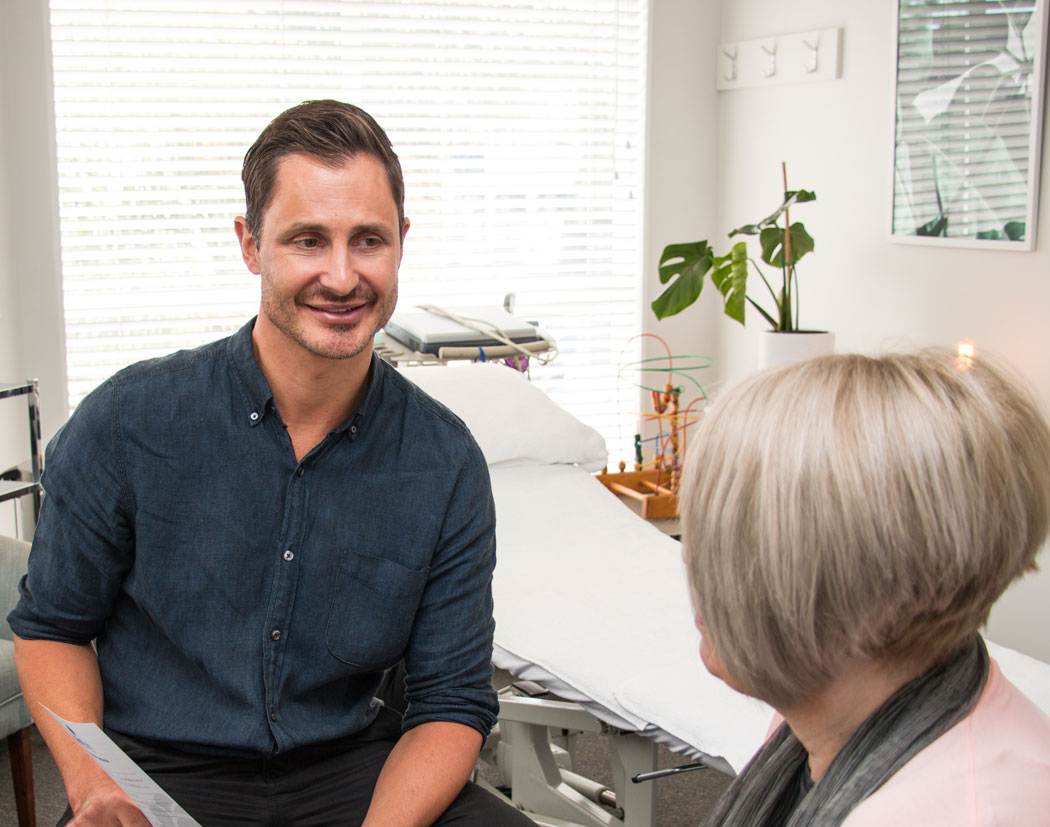
We are accredited with the New Zealand Society of Cosmetic Medicine and take great pride in our team of cosmetic medicine experts. The Palm Clinic team are doctors and nurses who are medically qualified and highly experienced in cosmetic injectables.
Experts in Facial Anatomy
As appearance medicine professionals, we have deep expertise in facial anatomy, which we utilise when designing effective treatment plans. This means your treatment will be tailored to your particular anatomy in order to achieve a naturally refreshed appearance.
We Treat the Whole Face
There are common problem areas for wrinkles such as frown lines, forehead lines and crow’s feet. We don’t follow the ‘one size fits all’ approach for treating these. We prefer a more holistic approach taking the whole face into consideration so that your rejuvenation will appear even and consistent rather than targeted and patchy. To help us achieve this we will sometimes recommend a combination of cosmetic procedures such as using dermal fillers or ResurFX laser to complement your Botox®.
Personalised Treatment Plan
Whether you want maximum wrinkle reduction or a subtle change over time, we will design a cosmetic treatment plan specific to your individual needs.
We Use Minimal Toxin
By treating the whole face to look natural, we often end up using less Botox® and delivering a better overall result.
Before and After Gallery

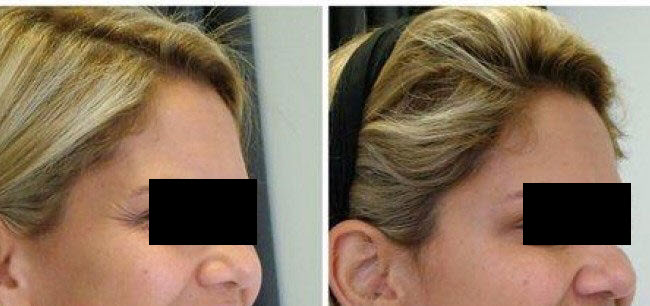
View images our clients before and after their Botox® treatment at Palm Clinic, Auckland. Individual results may vary.
What to Expect from your Treatment
You can choose to have your treatment from one of our skilled cosmetic nurses or from our Medical Director, Dr Sam Dunn.
The treatment itself takes around 15 minutes but we prefer 30-minute appointments so we can ensure your needs are fully discussed and met.
Botox® treatments at Palm Clinic begin at $22 per unit with a cosmetic nurse, and $25 per unit with Dr Sam Dunn. At Palm Clinic, we do not compromise on our team’s expertise and this is reflected in our price. When looking for the natural results that Palm Clinic provides, the overall number of units used will often be lower than what is the standard. We subscribe to the ‘less is more’ approach.

Aftercare
After having Botox® you can go back to work or resume your normal activities straight away but we recommend avoiding excessive exercise, alcohol and saunas for four hours after treatment.
Botox® takes one to three days to take effect and two weeks to be fully effective. If this is your first time having Botox® at Palm Clinic, or your first treatment of a new area, we recommend having a complimentary follow-up appointment two weeks afterwards to review your results.
A full dose treatment lasts three to four months. Areas treated more lightly may wear off more quickly. After two to three years of regular treatments your Botox® may last longer.
After your treatment you may notice possible side effects around the site of injection including mild pain, bruising, tenderness or stinging, however these will settle and should not be of concern. For any post treatment side effects that are bothersome or do not resolve, please contact us. These may include uncommon side effects specific to the area you had treated, such as:
Frown – heavy eyelid
Forehead – heavy eyebrows
Crows feet – double vision, dry eyes, cheek ‘shelfing’ when smiling
If you have any concerns, please contact the clinic on 09 522 8128, or after hours contact Dr Sam Dunn on 021 712 334.
Mandatory Information
Botox® is a prescription medicine for the treatment of frown lines, horizontal forehead lines and crow’s feet round the eyes. Botox® has risks and benefits. Ask your doctor if Botox® is right for you. If you have side effects, see your doctor. You will need to pay for Botox® and clinic fees will apply. For details on precautions & side effects consult your healthcare professional or the Consumer Medicine Information (CMI) at www.medsafe.govt.nz. Botox® treatment lasts about 4 months and further courses of treatment may be necessary. Should only be administered by trained medical professionals.(Contains botulinum toxin A 50,100 & 200 units). Allergan (NZ) Limited, Auckland.
Botox® FAQs
What is Botox®?
Botox® is a naturally occurring protein. It is manufactured in the laboratory from a bacteria called Clostridium botulinum.
Used in small, precise doses, this purified protein has been used to relax muscles all over the body for more than 20 years. Some of its medical applications, for example, are to treat chronic migraine and hyperhidrosis (excessive sweating).
Botox® was approved for cosmetic use in 2002 and has since been used for millions of cosmetic procedures worldwide. Palm Clinic has used Botox® in Auckland since its establishment in 1996.
How does Botox® work?
During a Botox® procedure, several small injections are made into the muscles where fine lines and wrinkles appear. This Botox® protein fits exactly into receptors in the nerve endings of those muscles. This prevents the release of a chemical known as acetylcholine, which makes muscles contract and move.
Relaxing these muscles will help smooth wrinkles such as frown lines, crow’s feet and forehead lines, that are caused by repeated muscle contraction.
When used for excessive sweating, Botox® is injected into the sweat glands just beneath the skin. It works in the same way to block the message from the nerve to the sweat glands, effectively reducing excessive sweating.
How will Botox® improve the way I look?
Relaxing muscles in your face can improve your appearance in a number of ways. Botox® prevents repetitive creasing of the skin; allowing the body’s natural repair process to lay down collagen across a wrinkle, reducing its depth. Muscles that pull the eyebrows down can be released, allowing a flattering upward lift. Frowning muscles which are fixed in a negative expression can be relaxed, making the face look happier.
Most importantly, achieving a natural look after Botox® requires great care and precision in injecting the Botox® in precisely the right anatomical area. If this is not done precisely right the results can look false, or even worse can lead to relaxation of the wrong muscles which could leave the face looking frozen. At Palm Clinic, we believe in a natural and flattering result, and place great importance in a high level of training to achieve this.
What is the overall effect of Botox®?
While Botox® does not completely eradicate the signs of ageing, it can greatly reduce the appearance of moderate to severe wrinkles, and even prevent new ones from forming. The skin often appears smoother and more youthful. If you tend to frown a lot perhaps without realising it, or if lines around your eyes or forehead are making you look older than you feel, then Botox® may help you look happier and more relaxed.
What is the best age to have Botox®?
Botox® is approved for cosmetic use from the age of 18. It can be used as a preventative measure to prevent lines and wrinkles from developing; most people visiting Palm Clinic start the process in their 30’s when lines are starting to develop.
Which areas of the face does Botox® treat?
Certain areas of the face often develop deep lines or wrinkles as a result of making the same facial movement thousands of times over the years.
Botulinum toxin can be used to treat crow’s feet, frown lines, and forehead lines. Talk to our experts about the benefits of Botox® for you.
What else can be treated with Botox®?
Botox® is also approved to treat excessive sweating of the armpits, called hyperhidrosis. With a series of injections to the armpit area, it can reduce stains and odour, and eliminates the need for antiperspirant for 6-12 months.
What is botulinum toxin?
Botox® is the registered trade name for botulinum toxin. The trade name is allowed to be used when describing a number of FDA-approved uses – namely crow’s feet, horizontal forehead lines, frown lines, and armpit sweating.
The product and the procedure are the same — the only difference is whether the trademark name can be used or not.
What’s involved in Botox® treatment?
Botox® is injected using a disposable syringe with a very fine needle. It is not too painful, and you don’t need a local anaesthetic. Some people describe the sensation as a tiny sting or pinch which only lasts a few seconds at the injection site.
The treatment itself takes around 15 minutes, but we prefer 30-minute appointments at Palm Clinic so we can ensure all your needs are fully discussed. You can go back to work or resume your normal activities straight away, but we recommend avoiding the gym until the next day. You may notice a little swelling or redness for 10 minutes afterwards.
How long does the Botox® effect last?
Botox® starts taking effect in 2-3 days and is fully ‘settled in’ at 14 days. Full dose treatments usually last four months. As the Botox® is gradually broken down by the body’s own natural processes, the muscle movement returns. Movement and wrinkles gradually return over this time.
How often is Botox® treatment repeated?
Most of our clients have an ongoing treatment programme because they like the results and want to maintain the improvement in their appearance. However, some people do schedule a Botox® treatment for a one-off event such as a wedding.
For maximum wrinkle reduction, most of our clients return three times a year to maintain the improvement in their appearance. After a couple of years of regular use, you may be able to reduce this to twice a year.
Is Botox® safe?
Botox® procedures are not recommended for pregnant or lactating women, people with infections in the area to be treated, and those with certain neurological conditions. You should also tell your Palm Clinic doctor about any medications you are taking. Botox® has a long track record of safety having been used in medical situations for well over 20 years. Our Botox® treatments are administered by trained professionals.
What about Botox® side effects?
The majority of people experience no side effects from their Botox® treatment. Some people may experience minor and temporary side effects – such as a slight headache after treatment, or a tiny bruise at the site injection site. The most significant complication, which is extremely rare, is a drooping of the eyelid which typically lasts 2-3 weeks after treating the frown lines.
Your Palm Clinic doctor will explain the risks and possible side effects of Botox® at your initial consultation.
What does Botox® cost?
Your Botox® cost will depend on the number of units of Botox® used. Charges start at $22 per unit including GST when treated by a nurse and $25 when treated by a doctor. To give you an idea, a frown area may need 20 units. We will work out the right number of units for you and discuss the total cost before proceeding so there are no surprises.